

The landscape of residential construction in America is continuously evolving, shaped by technological advancements, changing consumer preferences, and environmental considerations. As we look ahead to 2027, several key trends are expected to dominate the industry. Understanding these residential construction trends can help homeowners and property owners make informed decisions about their projects.
Sustainable Building Practices
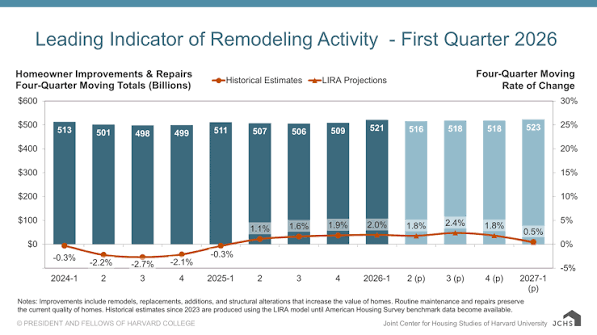
One of the most significant trends in residential construction is the increasing emphasis on sustainability. Homeowners are increasingly seeking eco-friendly materials and energy-efficient designs. This shift is driven by a desire to reduce carbon footprints and lower utility costs. Builders are adopting sustainable practices such as:
- Utilizing recycled materials in construction
- Incorporating energy-efficient appliances and systems
- Designing homes to maximize natural light and ventilation
- Implementing water-saving technologies
Smart Home Technology Integration
As technology continues to advance, smart home features are becoming standard in new builds and remodels. Homeowners are looking for integrated systems that enhance convenience, security, and energy management. Some popular smart technologies include:
- Smart thermostats that learn user preferences
- Automated lighting systems
- Home security systems accessible via mobile devices
- Smart appliances that optimize energy use
Open Floor Plans and Multi-Functional Spaces
The preference for open floor plans continues to grow, as homeowners favor layouts that promote interaction and flexibility. Multi-functional spaces are also becoming essential, allowing homeowners to adapt areas for various uses, such as:
- Home offices that can double as guest rooms
- Dining areas that can convert to entertainment spaces
- Outdoor living spaces that enhance indoor-outdoor flow
Focus on Health and Wellness
In response to increasing health consciousness, many homeowners are prioritizing wellness features in their homes. This trend includes:
- Use of non-toxic building materials
- Incorporation of natural elements like plants and sunlight
- Designs that promote physical activity, such as walkable layouts
Cost Factors and Project Planning
When planning residential construction projects, it is essential to consider various cost factors, including:
- Material costs
- Labor costs
- Permitting and inspection fees
- Design and engineering fees
Engaging a reputable contractor early in the planning process can help ensure that budgets are realistic and that projects stay on schedule. It’s advisable to request estimates from multiple contractors to compare services and pricing.
Contractor Selection
Choosing the right contractor is crucial for the success of any residential construction project. Homeowners should consider the following when selecting a contractor:
- Experience with similar projects
- References and past client reviews
- Licensing and insurance
- Clear communication and transparency
Conclusion
As we move toward 2027, the residential construction landscape in America is set to be influenced by sustainability, technology, and evolving consumer preferences. Homeowners looking to remodel or build new homes should stay informed about these trends to make smart decisions that align with their values and lifestyle. For those planning a project, Basha Quality Construction is here to help. Request an estimate today to discuss your vision and how we can bring it to life.